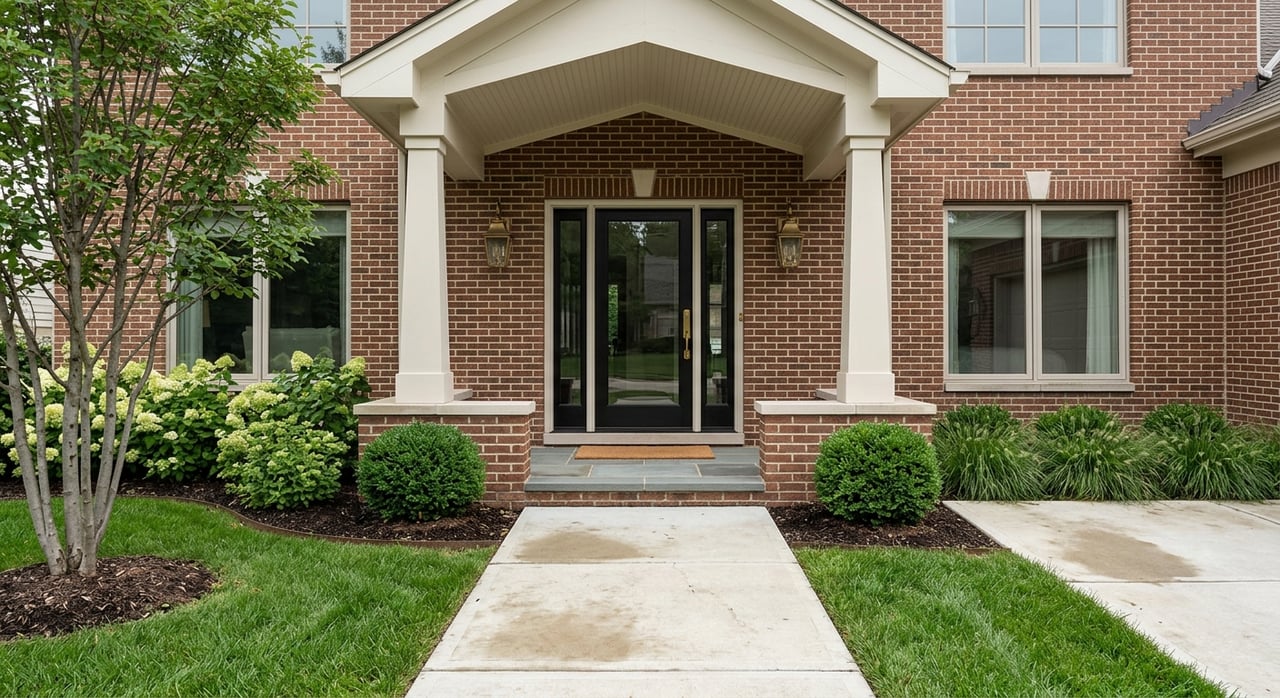
Andover vs East Wichita Suburbs: Which Fits Your Life?
May 21, 2026
May 21, 2026
If you are torn between Andover and east Wichita, you are not alone. Both areas can make a strong case for your next move, but they offer very different day-to-day experiences depending on what matters most to you. This guide will help you compare pricing, home styles, commute patterns, and lifestyle fit so you can make a confident decision. Let’s dive in.
Choosing between Andover and east Wichita usually comes down to how you want your everyday life to feel. Some buyers want newer subdivision layouts, more edge-of-town growth, and low-maintenance options. Others want established neighborhoods, quicker access to shopping and dining, and a wider mix of home styles.
The good news is that neither choice is one-size-fits-all. Your best fit depends on your budget, preferred home type, commute habits, and how much you value new development versus established surroundings.
Price is often the fastest way to narrow your options. Based on the latest Redfin snapshot, Andover’s median sale price is $356,700, while Wichita citywide is $235,000. That puts Andover notably above the broader Wichita market.
East Wichita covers a wider range. In the latest Redfin snapshots, College Hill showed a median sale price of $323,500, while Eastborough was at $546,000. That means east Wichita can offer both homes below Andover’s median and homes well above it, depending on the specific area you target.
If you want more price variety, east Wichita gives you a broader spectrum to work with. If you are specifically shopping for a suburban setting with newer development patterns, Andover may still feel worth the premium.
You should also look beyond list price alone. Home age, lot size, maintenance needs, and neighborhood layout can all affect long-term value and your comfort level with the purchase.
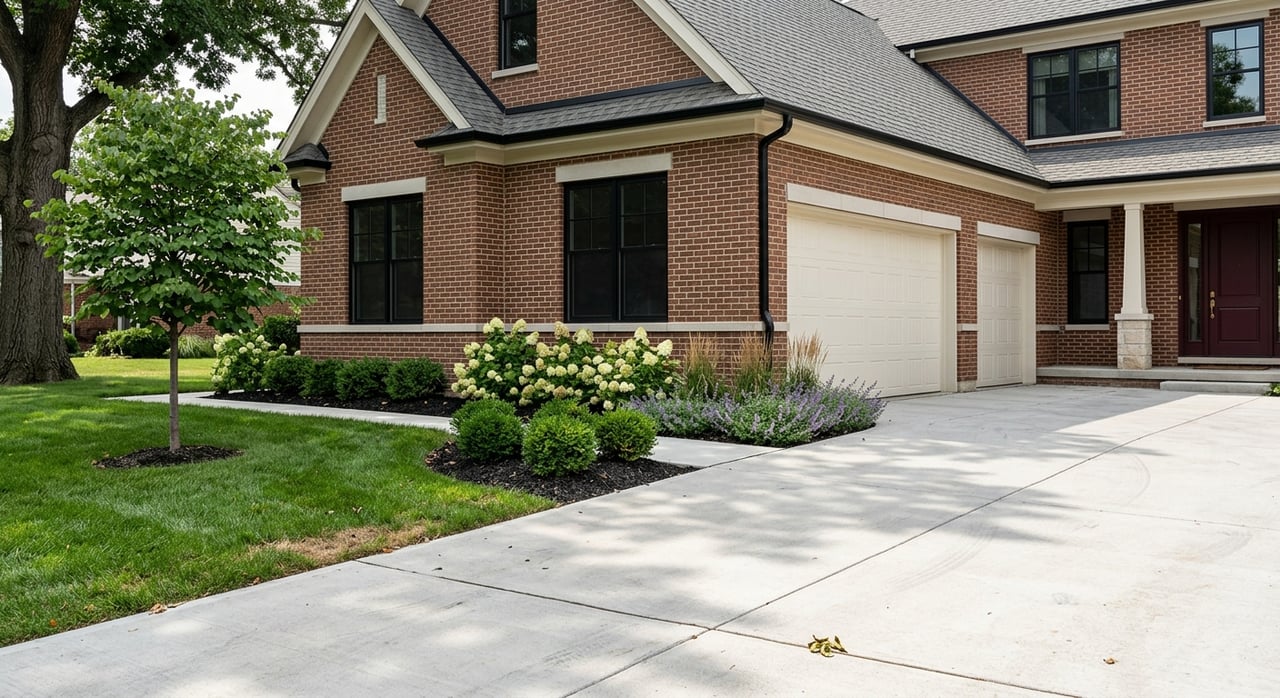
One of the biggest differences between Andover and east Wichita is the housing stock. Andover leans heavily into a suburban product mix with communities that reflect newer planning patterns and active growth at the city’s edges.
The city highlights several residential developments with distinct offerings. Cornerstone includes patio-style single-family homes and duplex units under construction. Heritage Commons focuses on low-maintenance living, Prairie Creek offers large lots and a wide range of styles, Speyside at Terradyne features patio homes, and Summerlin includes upscale single-family homes on a closed-loop street.
East Wichita is more varied. Visit Wichita describes College Hill as historic with well-preserved homes, Eastborough as large upscale homes with a quiet suburban feel, and Rockhurst as newer homes near Bradley Fair and The Waterfront.
The College Hill neighborhood plan adds even more detail. It notes that the area was primarily developed in the early 1900s and includes Craftsman, Queen Anne, Colonial Revival, Tudor Revival, bungalows, four-squares, duplexes, apartments, and newer mixed-use housing.
If you are drawn to newer builds, patio-home living, duplex options, or larger-lot subdivisions, Andover may line up better with your goals.
If you want architectural character, established streetscapes, or a broader age mix of homes, east Wichita may offer more of what you are picturing.
A home can be beautiful, but if the location does not work for your routine, the excitement can wear off quickly. That is why commute and access deserve a close look.
Andover sits on Wichita’s eastern edge, with US-54/Kellogg running through town and quick connections to K-96 and I-35. The city reports a mean travel time to work of 23.3 minutes.
Wichita citywide reports a mean travel time of 18.9 minutes, which is about 4.4 minutes shorter on average. That may not sound dramatic at first, but over time it can affect how convenient your daily schedule feels.
East Wichita also offers transit coverage that may matter for some households. Wichita Transit Route 201 connects N. Rock, Bradley Fair, Towne East Mall, and E. Harry. Wichita’s Market Access page also notes that routes serve retail and employment corridors, while the free Q-line covers downtown and, on weekends, College Hill.
There is also an important roadwork factor to keep in mind. According to KDOT, the East Kellogg project from K-96 to 159th Street began construction on March 23, 2026 and will reconstruct US-54 to six lanes with frontage roads. That improvement may support long-term access, but in the near term, construction can affect travel patterns.
The right home base is not only about the house itself. It is also about what you can easily enjoy on a regular basis.
Andover’s amenity base is focused and intentionally suburban. The city highlights Redbud Trail, a six-mile rails-to-trail corridor, Central Park with a pond and gazebo, and 13th Street Sports Park with baseball diamonds, walking trails, basketball, pickleball, a splash pad, and more.
Andover also points to the YMCA, municipal golf course, Kansas Medical Center, and Capitol Federal Amphitheater. For many buyers, that creates an appealing balance of neighborhood-style amenities without the feel of a larger city.
East Wichita offers a broader amenity network. Wichita’s park system includes 122 parks and nearly 5,000 acres, and east-side examples include Cessna East Park’s 6.5-mile Gypsum Creek Bicycle Path.
Retail and dining access is also stronger on the east side. Bradley Fair lists more than 40 businesses, Towne East Square has more than 150 stores, and Visit Wichita highlights College Hill, Douglas Design District, and Eastborough as established east-side districts with distinct residential and lifestyle identities.
| Priority | Andover | East Wichita |
|---|---|---|
| Newer suburban development | Strong fit | More mixed |
| Established neighborhood feel | More limited | Strong fit |
| Broader shopping and dining access | Moderate | Strong fit |
| Patio-home and low-maintenance options | Strong fit | Varies by area |
| Historic housing character | Limited | Strong fit |
| Wider price range | More narrow | Stronger range |
Andover tends to appeal to buyers who want a suburban setting with active growth and newer community planning. If you like the idea of larger lots, low-maintenance options, or homes on the edge of newer infrastructure build-out, Andover deserves a close look.
It can also be a smart fit if you prefer a more concentrated amenity base rather than a busier city environment. You may sacrifice some convenience to larger retail and dining clusters, but you gain a setting many buyers find calmer and more residential in feel.
East Wichita tends to suit buyers who want more variety in both homes and lifestyle access. If you like established neighborhoods, older architectural styles, closer shopping and dining, and more built-in city convenience, east Wichita may offer more flexibility.
It can also be a better fit if you want to compare very different neighborhoods without leaving one side of town. From historic homes in College Hill to upscale options in Eastborough to newer homes near major retail destinations, east Wichita gives you more ways to match your home to your routine.
If you are still unsure, try ranking these four factors from most important to least important:
If your list points toward newer subdivisions, low-maintenance living, and edge-of-town growth, Andover may be your answer. If your list points toward established neighborhoods, convenience, character, and broader price options, east Wichita may be the stronger match.
The key is to compare these areas through the lens of your real life, not just online photos. A home should support how you live every day, and that is where local guidance can make all the difference.
If you want help narrowing down Andover versus east Wichita based on your budget, commute, and home goals, Angel Culver would love to help you create a smart, focused plan.
Stay up to date on the latest real estate trends.
Get assistance in determining current property value, crafting a competitive offer, writing and negotiating a contract, and much more. Contact Angel today to discuss all your real estate needs!