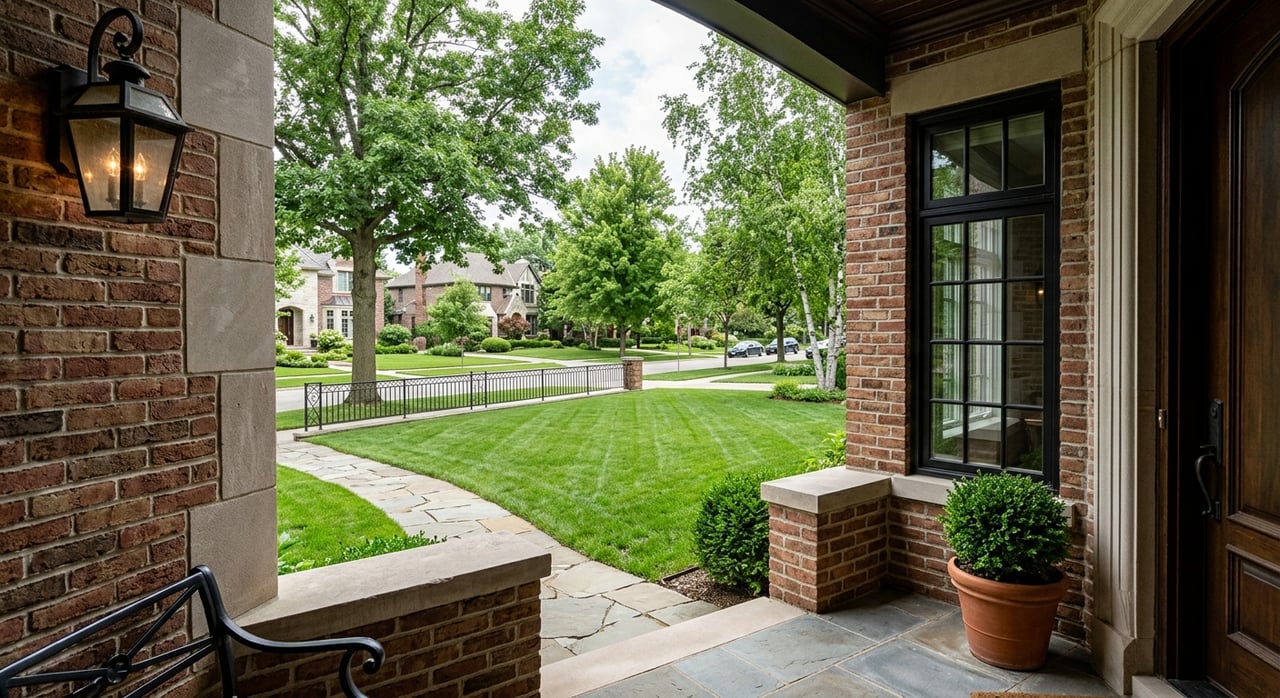
Park City KS Real Estate and Lifestyle Guide
July 2, 2026
July 2, 2026
Wondering whether Park City, Kansas gives you the right mix of price, convenience, and everyday livability? If you want to stay close to Wichita but still have access to established neighborhoods, newer subdivisions, and plenty of park space, Park City is worth a closer look. The good news is that this community offers a broad housing range and a commuter-friendly location, but the right fit depends on what you want from your next move. Let’s dive in.
Park City sits directly north of Wichita, and the city says it is about 10 minutes from downtown Wichita along I-135. That location makes it especially appealing if you want easier access to Wichita without living in the middle of it.
The overall feel is more residential than employment-centered. Census QuickFacts show a mean travel time to work of 20.8 minutes, which supports the idea that many residents commute for work while enjoying a home base in Park City.
For many buyers, that balance matters. You can focus on home life, daily routines, and neighborhood amenities while still keeping Wichita within easy reach.
If you are trying to picture the housing market here, think variety. Park City includes older residential areas, newer edge developments, and a mix of housing patterns that change depending on where you look.
According to Census QuickFacts, the owner-occupied housing rate is 75.3%. That is a strong sign of a market with many long-term homeowners, which often appeals to buyers looking for stability and a more rooted residential environment.
The city’s Living In page says active subdivisions range from the mid-$80,000s to over $400,000. That gives buyers a fairly wide pricing spectrum, whether you are shopping for your first home, looking for more space, or moving into a newer property.
QuickFacts also report a median owner-occupied home value of $177,100, median monthly owner costs of $1,362 with a mortgage, and median gross rent of $1,077. Median household income is listed at $74,301, which helps give context to the local market.
One of the most important things to understand about Park City is how I-135 influences its layout. The city’s comprehensive development plan describes two different development patterns on each side of the interstate.
East of I-135, most dwelling units are in mostly contiguous residential development. If you prefer a more consistent neighborhood pattern, this side may feel more in line with what many buyers picture when they think of suburban living.
West of I-135, residential use is more mixed with commercial and industrial development along Broadway and mobile-home parks behind it. That does not make one side better than the other, but it does mean your block-by-block experience can vary more than you might expect if you only look at Park City as one single housing type.
This is why local guidance matters when you start narrowing your search. Two homes with similar prices can offer very different surroundings, lot settings, and daily feel depending on location.
Park City has both established housing areas and newer development activity. The comprehensive plan identifies Park City Addition, Forsee’s First Addition, and Owens’ First Addition as older residential areas.
The same plan says eight new housing developments were located on the north, south, and east edges of the city. That tells you growth has been expanding outward, which can create more choices for buyers who want newer construction or a more recently developed setting.
Current city pages list developments such as Cambridge Valley, Park Centre, Ironstone Community, Ironstone Village, and Prairie Hills 4th. If your goal is to compare established homes with newer subdivision options, Park City gives you room to do that.
If you are looking mainly for a detached home, Park City lines up well with that goal. The city’s land-use survey found 2,785 acres of single-family residential use, compared with 115 acres of mobile-home parks and 40 acres of multifamily use.
That makes single-family housing the dominant residential pattern. For many buyers, that supports the sense of Park City as a suburban market centered on traditional neighborhood living.
The city also has a homeowner incentive program for newly constructed owner-occupied single-family homes and duplexes. According to city information, that program offers up to $5,000 plus a 75% city property-tax rebate for five years, which could be worth exploring if you are considering new construction.
A location can work on paper and still not feel right in real life. That is why it helps to look beyond housing and think about how you would actually spend your time here.
Park City’s parks system is one of its standout lifestyle features. The city lists eight parks: Hap McLean Park, Prairie Wind Park, Poston Park, Habiger Park, Osage Trail, Primrose Park, Jardine Memorial Park, and Senior Center Park.
Hap McLean Park includes lighted ball diamonds, a community building, playgrounds, and a BMX track. Prairie Wind Park has a walking path that connects to Poston and Habiger, and Osage Trail Park includes a pond, shelter, and walking path.
The city also says the new Park City Aquatic Center is now open. On top of that, the city points residents to the public library, senior center, civic organizations, and local events, which adds to the everyday convenience factor.
If school assignment is part of your home search, this is one detail you do not want to gloss over. Park City is split between two public-school systems based on location.
The city says north-side addresses attend Valley Center USD 262, while south-side addresses attend Wichita USD 259. The city also identifies Chisholm Trail Elementary in Park City for the Wichita side, and USD 262 says it serves Park City, Valley Center, Kechi, and Wichita.
The key takeaway is simple: school assignment can change by address. If that matters to your decision, you will want to verify the specific assignment for any home you are considering rather than assume it applies citywide.
Park City can be a strong fit if you want suburban convenience with straightforward access to Wichita. It also makes sense if you value single-family housing, neighborhood variety, and outdoor amenities like parks, walking paths, and recreation spaces.
The data also points to a community with many owner-occupied homes and a notable share of younger residents. Census QuickFacts show 24.4% of residents are under 18, which supports Park City’s profile as a place many households consider for longer-term living.
You may especially like Park City if you want options. Some buyers prefer older established areas, while others want newer construction on the edges of town, and Park City gives you both.
No city is perfect for every buyer. If you want a highly urban setting, a dense multifamily environment, or a market where every neighborhood has the same look and feel, Park City may not check all your boxes.
Because housing patterns differ by location, especially around I-135 and Broadway, it helps to approach your search with a clear list of priorities. Commute route, housing age, nearby land uses, and school assignment may all affect which part of Park City feels right to you.
That is exactly where a local, hands-on home search can make the process easier. Looking at the city as a whole is helpful, but choosing the right pocket within Park City is what really shapes your day-to-day experience.
If you are weighing Park City against Wichita-area alternatives, the best move is to compare specific homes, neighborhoods, and commute patterns side by side. If you want help sorting through those options with clear, practical advice, reach out to Angel Culver for personalized guidance.
Stay up to date on the latest real estate trends.
Get assistance in determining current property value, crafting a competitive offer, writing and negotiating a contract, and much more. Contact Angel today to discuss all your real estate needs!